
How to Negotiate Salary Without Losing Offer: The 2026 Recruiter-Approved Framework
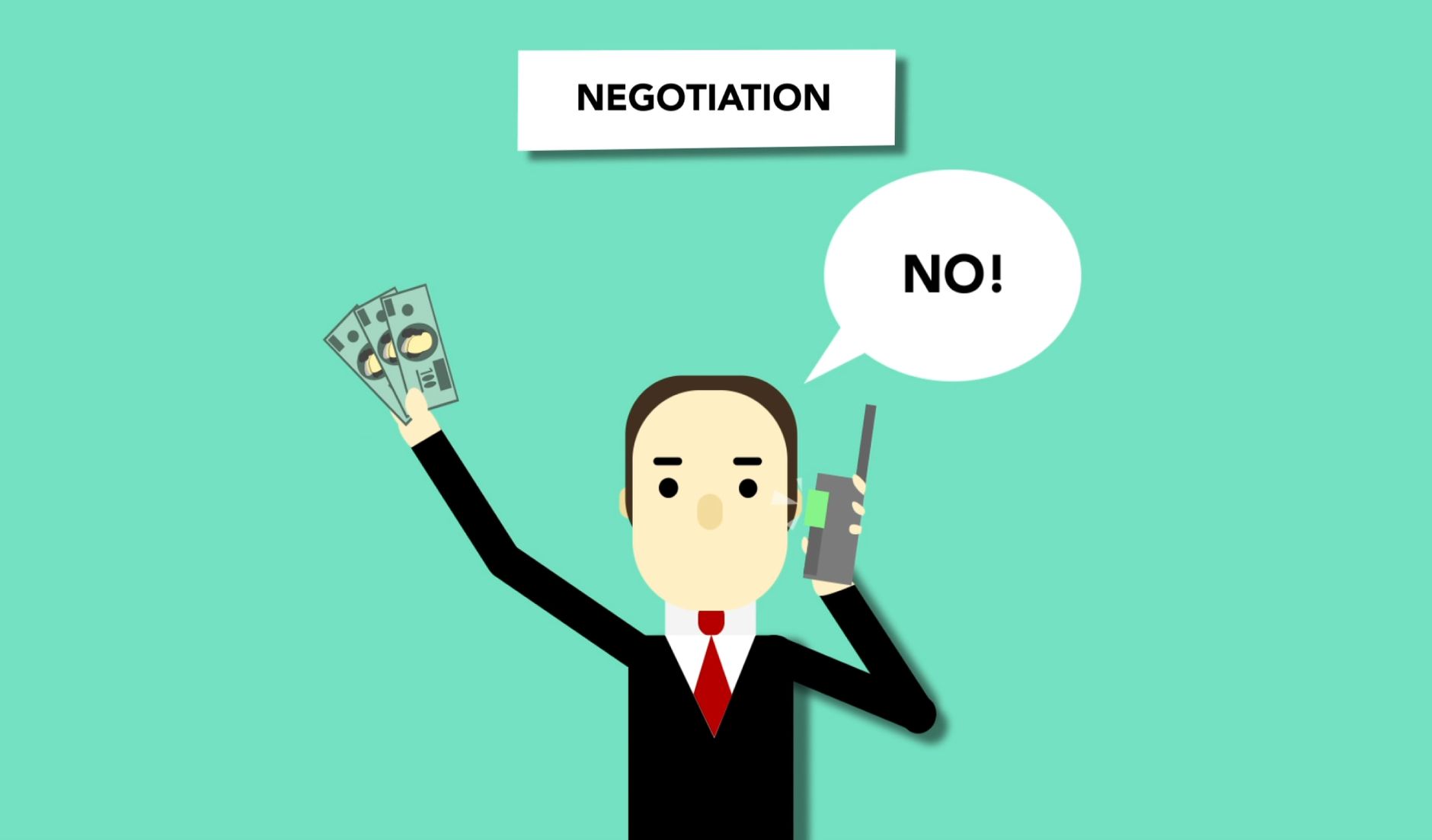
With Q3 2026 hiring budgets tightening and companies running “precision hiring” campaigns—filling fewer roles with more selective criteria—job seekers face a brutal paradox. The offers that do come through often arrive with compressed timelines, “best and final” language, and subtle pressure to accept quickly. Yet compensation data from Glassdoor’s mid-year report shows candidates who negotiate still earn 7-13% more on average than those who don’t.
The fear? That pushing back will evaporate an already-rare opportunity. Here’s the reality: you can negotiate salary without losing offer—if you understand how recruiters actually evaluate pushback in this market. This isn’t about aggressive tactics. It’s about strategic positioning that makes employers want to meet you halfway.
Why Most Candidates Freeze (And What It Costs Them)
The paralysis around negotiation isn’t irrational. In 2026’s slower hiring market, every offer feels precious. LinkedIn’s Workforce Confidence Index found 62% of job seekers believe negotiating would “definitely or probably” jeopardize their offer. Yet hiring managers in the same survey reported rescinding offers in less than 4% of negotiation cases—and most of those involved unreasonable demands, not reasonable discussion.
The real cost of silence is compounding. That 7% you leave on the table in year one becomes 14% by year three after standard raises, then compounds further across job changes. A $75,000 accepted offer becomes a $300,000+ lifetime gap compared to the $80,250 you might have secured with a 10-minute conversation.
The difference between successful and failed negotiations? Timing, framing, and demonstrating value continuation—proving you’re still invested in the role while advocating for fair compensation.
The Pre-Offer Setup: Building Leverage You Can Actually Use
Most negotiation advice skips this critical phase. You don’t start negotiating when the offer arrives; you start positioning during final-round interviews.
Plant value anchors early. When discussing past achievements, be specific: “I reduced customer churn by 34% in nine months, which translated to roughly $280K in retained annual revenue.” These numbers become reference points later.
Signal collaborative interest, not desperation. Ask questions about team challenges, 90-day priorities, and how success is measured. Recruiters note genuine engagement; it distinguishes you from candidates collecting offers.
Gather intelligence on their constraints. HR professionals increasingly operate within rigid pay bands in 2026. Ask casually: “How does the compensation structure align with performance milestones?” This reveals flexibility without demanding specifics.
By the time an offer arrives, you’ve established yourself as a problem-solver worth investing in—not a commodity applicant.
How to Negotiate Salary Without Losing Offer: The 4-Step Response Framework
When that offer email hits your inbox, resist the urge to react immediately. This structured approach protects relationships while advancing your interests.
Step 1: Express Genuine Enthusiasm First
Your opening response should contain zero negotiation language. Try: “I’m thrilled about this opportunity and deeply appreciate the team’s confidence in me. The role aligns exactly with what I was hoping to build next.” This emotional deposit matters enormously—recruiters fear enthusiasm gaps more than dollar requests.
Step 2: Request 48-72 Hours Thoughtfully
Never accept on the spot, even if the offer seems perfect. “I’d like to review the complete package with my [partner/financial advisor/mentor—choose what fits your situation] and ensure I can fully commit to the timeline and expectations you’ve outlined. Could we reconnect Thursday afternoon?” This signals responsibility, not shopping.
Step 3: Anchor With Market Data, Not Personal Need
The fatal negotiation mistake: “I need $X because of my rent/student loans/childcare.” Employers don’t manage your budget; they manage market competitiveness.
Instead: “Based on [specific source—Levels.fyi, Robert Half 2026 guide, or your own research] for this role in [location], the compensation range for someone with [specific credential] typically falls between $X and $Y. Given my [specific achievement], I was hoping we could discuss moving toward [specific number, usually 10-15% above offer].”
Critical 2026 update: With pay transparency laws expanding to 18 states, you can now reference posted ranges from the company’s own listings. “I noticed the range posted for this role was $82K-$96K, and I’d like to understand how we might position toward the upper end given my direct experience with [relevant system/challenge].”
Step 4: Offer Concrete Value in Return
The protection mechanism: make your ask feel like an investment, not an extraction. “If we can align at $90K, I’d be prepared to [start within two weeks, commit to a 90-day milestone plan, or bring an existing client relationship—choose what’s genuine].” This reframes negotiation as mutual problem-solving.
The “Non-Negotiable” Offer: Your Escape Hatch Options
Sometimes companies genuinely cannot move on base salary. The offer isn’t dead—it’s a different conversation.
Prioritize your hierarchy before the call. For you, is it base salary, signing bonus, equity, remote flexibility, professional development budget, or accelerated review timing? Know your rank order.
Bundle creatively. “I understand the base is fixed. Could we explore a $10K signing bonus to bridge the gap, with a six-month performance review that includes compensation reassessment? I’m confident I can demonstrate value quickly.” This shows flexibility while preserving upside.
Document everything. If verbal promises emerge—“We’ll review in January”—politely confirm via email: “Appreciated our conversation. To confirm my understanding, we’ll schedule a formal compensation review in January 2027 contingent on [specific metrics].”
What Actually Triggers Offer Rescission (And How to Avoid It)
Understanding recruiter psychology removes unnecessary fear. Offers get pulled for specific behaviors, not negotiation itself:
-
Comparing to competing offers aggressively: “X company offered me $15K more” reads as disloyalty before you start. If you must reference alternatives, frame as market calibration: “I’m evaluating another opportunity, but this role is my preference. I’d love to make the compensation competitive enough to decide clearly.”
-
Delaying indefinitely: “I need two weeks” without explanation signals you’re waiting for something better. Offer a specific timeline and stick to it.
-
Reopening settled terms: Negotiating base, accepting, then asking for more is the fastest path to rescission. Front-load your complete asks.
-
Tone mismatch: Written demands feel colder than voice conversations. When possible, negotiate via phone or video, then confirm in writing.
Conclusion: The Mindset That Protects Your Offer
The job market of late 2026 rewards prepared pragmatism over fearful acceptance. Companies that extended offers have already invested 20-40 hours in your candidacy; they want you to say yes. A reasonable negotiation, framed as mutual investment in a productive long-term relationship, rarely disrupts that momentum.
You can negotiate salary without losing offer by leading with enthusiasm, supporting your ask with market data, offering reciprocal value, and maintaining collaborative tone throughout. The candidates who secure optimal compensation aren’t the most aggressive—they’re the most strategically prepared.
Your next step: before your next final interview, research three data points (posted range, market midpoint, your target number) and draft one value-anchor statement about a past achievement. Preparation transforms anxiety into confidence, and confidence into better outcomes.